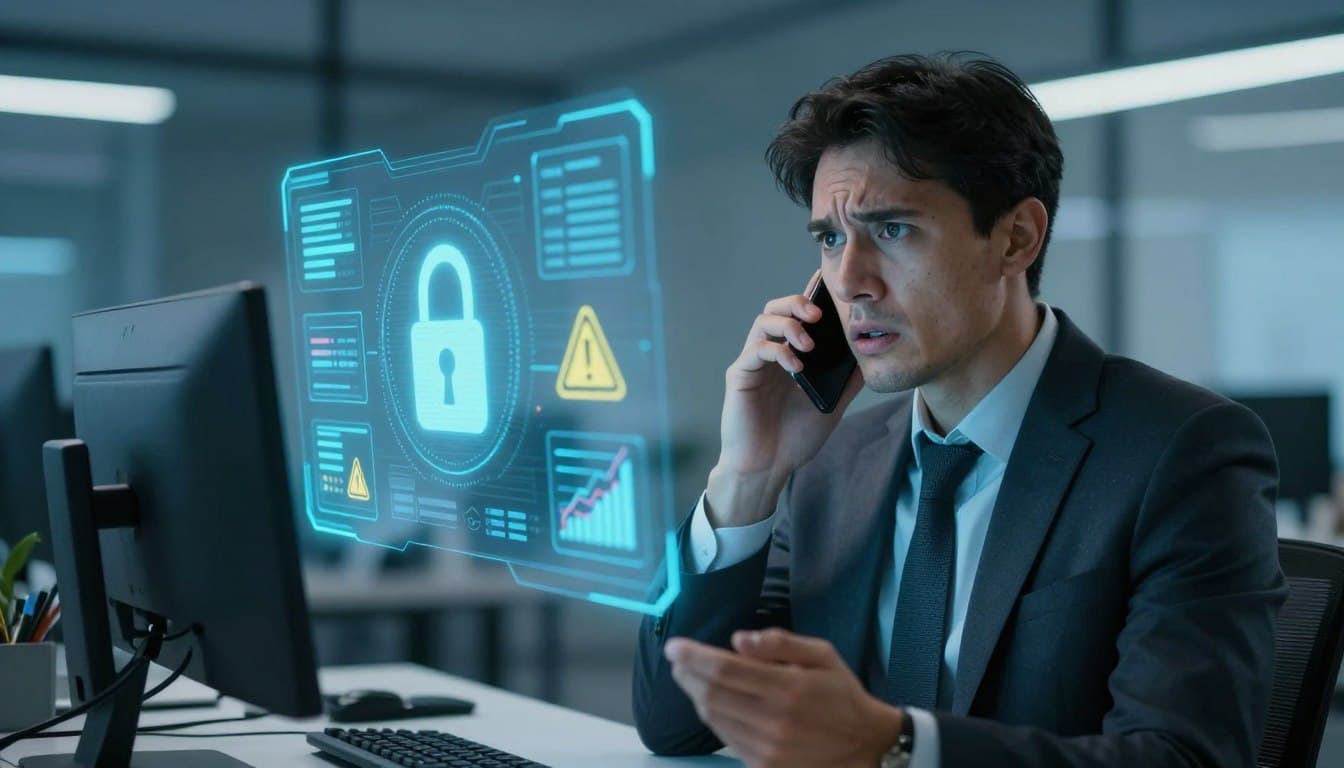
Vishing Attacks Surge: Protecting Against Social Engineering Logins
Anonymous
Vishing Attacks Surge: Protecting Against Social Engineering Logins
Hello there! Have you ever received a strange call from someone claiming to be from your bank? You aren't alone in this experience because deceptive phone scams are rising rapidly every day.
Today, vishing attacks are becoming much more common and sophisticated than ever before. This type of threat uses voice calls to trick people into giving away their most private information.
It is a sneaky form of social engineering where callers pretend to be trusted experts or local authorities. Their goal is simple: they want to steal your login details to access your personal accounts.

Staying safe starts with knowing how these tricks work and how to spot them early. Protecting your online identity is vital in our busy modern world. Even though cyber security can feel complex, small steps make a big difference for everyone.
This guide will show you how to defend your sensitive data and stay one step ahead of digital scammers. We want to help you feel confident and safe whenever your phone rings unexpectedly. These habits keep your accounts safe.
Key Takeaways
- Vishing is a voice-based phishing method used by modern hackers.
- Scammers often create a fake sense of urgency to steal sensitive data.
- Never share your passwords or verification codes over the phone.
- Multi-factor authentication provides a powerful layer of protection.
- Always verify the identity of a caller by using official company numbers.
- Trusting your gut feeling can help you avoid many digital traps.
The Evolution of Voice Phishing in the Modern Era
Voice phishing, a sophisticated form of social engineering, has become a prevalent cyber threat in recent years. As technology continues to advance, the methods used by attackers to deceive individuals into divulging sensitive information have become increasingly complex.
The evolution of voice phishing is closely tied to the widespread adoption of digital communication technologies. Attackers have adapted their tactics to exploit the trust and vulnerabilities associated with voice interactions.
Understanding the Mechanics of Vishing
Vishing attacks typically involve scammers using phone calls to trick victims into revealing personal data, such as passwords or financial information. These attacks often rely on creating a sense of urgency or panic to prompt the victim into taking action without verifying the authenticity of the request.
The mechanics of vishing can be broken down into several key steps:
- Reconnaissance: Gathering information about the target, often through social media or other publicly available sources.
- Initial Contact: Making the initial phone call, often posing as a representative from a trusted organization.
- Building Trust: Using the gathered information to establish credibility and gain the victim's trust.
- Executing the Scam: Requesting sensitive information or prompting the victim to perform a certain action.
Why Voice Remains a Preferred Tool for Attackers
Despite the rise of other forms of cyber attacks, voice remains a preferred tool for attackers due to its effectiveness in creating a sense of immediacy and personal connection. Voice phishing exploits the human tendency to trust voice interactions, making it a potent tool in the hands of skilled scammers.
Some key reasons why voice phishing remains effective include:
- The personal touch: Voice calls can create a false sense of security and trust.
- Urgency: Attackers can create a sense of urgency, prompting victims to act quickly without verifying the authenticity of the call.
- Emotional manipulation: Voice phishing attacks often exploit emotional triggers, such as fear or sympathy, to achieve their goals.
The Psychology Behind Social Engineering Tactics
The success of social engineering attacks largely depends on exploiting human vulnerabilities rather than technical weaknesses. Social engineering is a complex manipulation tactic that preys on human psychology, making it a potent tool in the hands of scammers.
Scammers often exploit two primary human traits: trust and urgency. By creating a false sense of urgency or posing as a trusted entity, attackers can trick victims into divulging sensitive information or performing certain actions that compromise security.
Exploiting Human Trust and Urgency
Trust is a fundamental aspect of human interaction, and scammers capitalize on this by masquerading as trusted figures or entities. They might pose as IT personnel, bank representatives, or even family members to gain the victim's confidence. Creating a sense of urgency is another tactic used to prompt victims into making hasty decisions without thoroughly verifying the authenticity of the request.
Urgency can be fabricated through various means, such as claiming a limited-time offer, a pending account suspension, or an emergency that requires immediate action. The goal is to create a situation where the victim feels compelled to act quickly, bypassing their normal cautious behavior.
Common Emotional Triggers Used by Scammers
Scammers use various emotional triggers to manipulate their victims. Some common triggers include:
- Fear: Threats of account suspension or legal action.
- Greed: Promises of unexpected gains or rewards.
- Curiosity: Intriguing or unsolicited offers that pique the victim's interest.
- Sympathy: Appeals for help or pretending to be in distress.
Being aware of these tactics is a crucial step in login protection and overall security measures. By understanding the psychological underpinnings of social engineering, individuals can better protect themselves against such threats.
Educating oneself on the common tactics used by scammers and maintaining a healthy dose of skepticism when encountering unsolicited requests or offers can significantly enhance personal and organizational security.
Current Trends in Cyber Security and Vishing Threats
Vishing threats are on the rise, driven by advancements in AI and voice cloning technology. As cyber attackers become more sophisticated, the need for robust cyber security measures has never been more pressing.
The evolution of vishing threats is closely tied to technological advancements. AI and voice cloning technology are being exploited by attackers to create highly convincing scams.
The Role of AI and Voice Cloning Technology
AI-driven voice cloning technology allows attackers to mimic the voices of trusted individuals or authority figures, making vishing attacks more believable and effective. This technology can clone a person's voice with just a few seconds of audio, making it a potent tool for social engineering.
The implications of this technology are far-reaching, with potential applications in various forms of cyber attacks. It's essential for individuals and organizations to be aware of these threats and take proactive measures to protect themselves.
How Attackers Gather Personal Intelligence
Attackers gather personal intelligence through various means, including social media, data breaches, and public records. This information is then used to craft highly targeted and convincing vishing attacks.
| Method | Description | Impact |
| Social Media | Attackers gather personal details from social media profiles. | Highly targeted attacks |
| Data Breaches | Exploiting leaked data from previous breaches. | Increased credibility of attacks |
| Public Records | Using publicly available information to build profiles. | Enhanced attack personalization |
Understanding these tactics is crucial for developing effective countermeasures. By staying informed and vigilant, individuals can significantly reduce their risk of falling victim to vishing attacks.
Identifying the Red Flags of a Vishing Call
As vishing attacks become more sophisticated, it's crucial to know the warning signs to protect yourself. Vishing scammers often use tactics that exploit human psychology, making it essential to be aware of the common red flags associated with these calls.
Unsolicited Requests for Sensitive Credentials
One of the most significant red flags of a vishing call is an unsolicited request for sensitive information, such as login credentials, financial information, or personal data. Legitimate organizations rarely ask for sensitive information over the phone, especially if you didn't initiate the call.
If someone calls you claiming to be from a bank, a government agency, or a tech company, and asks for your login credentials or other sensitive information, it's likely a scam. Always verify the caller's identity by hanging up and calling back the official number of the organization they claim to represent.
Pressure Tactics and Threats of Account Suspension
Vishing scammers often use pressure tactics to create a sense of urgency, claiming that your account will be suspended or that you'll face severe consequences if you don't provide the requested information immediately. This is a classic tactic used to panic the victim into making a rash decision.
"The biggest indicator of a vishing scam is when someone is trying to rush you into doing something. Legitimate companies don't operate that way." - Cybersecurity Expert
Be cautious of calls that create a sense of urgency or threaten you with dire consequences. Legitimate organizations will never rush you into providing sensitive information. If you receive such a call, it's best to hang up and report it to the relevant authorities.
Protecting Your Login Information from Voice Scams
As voice scams continue to rise, protecting your login information has become more crucial than ever. Voice phishing attacks are becoming increasingly sophisticated, making it essential to adopt robust security measures to safeguard your sensitive information.
One of the most effective ways to enhance login protection is by implementing robust security protocols. This includes being cautious about sharing your login details over the phone and verifying the authenticity of the caller.
Implementing Multi-Factor Authentication Effectively
Multi-factor authentication (MFA) is a critical security measure that adds an extra layer of protection to your login information. By requiring more than one form of verification, MFA significantly reduces the risk of unauthorized access to your accounts.
To implement MFA effectively, consider the following strategies:
- Use a combination of passwords, biometric data, and one-time passwords (OTPs) sent via SMS or authenticator apps.
- Enable MFA on all accounts that offer it, especially those containing sensitive information.
- Regularly review and update your MFA settings to ensure they remain secure.
The Importance of Verification Protocols
Verification protocols are essential in ensuring that your login information is not compromised during voice interactions. These protocols help verify the identity of the parties involved in the communication.
Effective verification protocols include:
| Protocol | Description | Benefit |
| Caller ID Verification | Verifying the caller's identity through their Caller ID. | Helps ensure the caller is legitimate. |
| Security Questions | Using pre-agreed security questions to verify identity. | Adds an extra layer of security. |
| Callback Verification | Calling back the official number of the organization. | Confirms the authenticity of the initial call. |
By implementing these measures, you can significantly enhance the security of your login information and protect yourself against voice scams.
The Role of Corporate Cyber Security Policies
In the face of escalating vishing attacks, effective corporate cyber security policies are more crucial than ever. These policies serve as the backbone of an organization's defense against voice fraud and other cyber threats.
One of the key components of a robust cyber security policy is employee training. Employees are often the first line of defense against vishing attacks, and their ability to recognize and respond to these threats is critical.
Training Employees to Recognize Voice Fraud
Training programs should focus on educating employees on the common tactics used by attackers, such as social engineering and pretexting. By understanding these tactics, employees can better identify potential vishing attempts.
Regular training sessions and simulated vishing attacks can help employees stay vigilant and improve their response to suspicious calls. It's also essential to keep employees updated on the latest vishing techniques and trends.
| Training Topics | Description | Benefits |
| Social Engineering Awareness | Educating employees on social engineering tactics used by attackers. | Improved ability to identify and resist vishing attempts. |
| Pretexting and Urgency Tactics | Training employees to recognize pretexting and urgency tactics. | Reduced likelihood of falling victim to vishing scams. |
| Secure Communication Practices | Teaching employees secure communication practices. | Enhanced security for sensitive information. |
Establishing Secure Communication Channels
Another critical aspect of corporate cyber security policies is establishing secure communication channels. This includes implementing multi-factor authentication and using secure protocols for sensitive communications.
By having secure communication channels in place, organizations can significantly reduce the risk of vishing attacks leading to data breaches or other security incidents.

Effective corporate cyber security policies are a multifaceted approach that includes training, secure communication channels, and ongoing monitoring and updates. By adopting such policies, organizations can protect themselves against the evolving threat landscape of vishing attacks.
Technological Defenses Against Automated Vishing
As automated vishing attacks become more sophisticated, it's crucial to implement robust technological defenses. The evolving nature of these threats demands a proactive approach to securing personal and organizational data.
One of the key strategies in combating automated vishing is to utilize advanced call filtering and blocking services. These services can identify and block suspicious calls, reducing the risk of falling victim to vishing scams.
Utilizing Call Filtering and Blocking Services
Call filtering and blocking services are designed to detect and prevent unwanted calls from reaching the user. These services can be implemented at both the individual and organizational levels.
- Call Blocking Apps: Apps like Nomorobo and Truecaller can block known scam numbers, reducing the number of vishing attempts.
- Network-Level Blocking: Some telecom providers offer network-level call blocking, which can be more effective in stopping automated vishing calls.
- AI-Powered Solutions: Advanced AI-powered solutions can analyze call patterns and identify potential vishing attempts based on behavior.
Leveraging Secure Authentication Apps
Another critical defense against automated vishing is the use of secure authentication apps. These apps provide an additional layer of security, making it harder for attackers to gain unauthorized access.
Benefits of Secure Authentication Apps:
- They provide a second form of verification, which is not easily replicable by vishers.
- They can alert users to potential security breaches in real-time.
- Many secure authentication apps offer additional security features, such as password management and data encryption.
By combining call filtering and blocking services with secure authentication apps, individuals and organizations can significantly enhance their defenses against automated vishing attacks.
What to Do If You Suspect a Vishing Attempt
If you suspect you've been targeted by a vishing attempt, it's crucial to act quickly to minimize potential damage. The first step is to remain calm and not panic. This clear-headedness will help you take the necessary actions to protect yourself.
Steps for Immediate Incident Reporting
Upon suspecting a vishing attempt, you should immediately report the incident to the relevant authorities. This can include your bank's security department if you believe your financial information is at risk, or your company's IT department if you're at work.
- Document as many details as you can remember about the call, including the phone number and any specific threats or requests made by the caller.
- Notify your phone service provider about the incident; they may be able to provide additional information or assistance.
- Report the incident to the Federal Trade Commission (FTC) or your local consumer protection agency.
Timely reporting is crucial as it can help prevent further fraudulent activities and aid in the investigation.
Securing Your Accounts After a Potential Breach
After reporting the incident, focus on securing your accounts to prevent any potential breach. Start by changing your passwords for all sensitive accounts, especially if you've shared login credentials during the suspicious call.
| Action | Description | Importance Level |
| Change Passwords | Update passwords for all sensitive accounts | High |
| Enable Multi-Factor Authentication (MFA) | Add an extra layer of security to your accounts | High |
| Monitor Account Activity | Keep a close eye on your account transactions and login history | Medium |
Enabling multi-factor authentication (MFA) is another critical step. MFA adds an extra layer of security, making it much harder for attackers to gain unauthorized access to your accounts.
Lastly, regularly monitor your account activity and credit reports for any signs of unauthorized access or identity theft.
The Impact of Vishing on Personal and Business Data
As vishing attacks surge, understanding their impact on data security is crucial. Vishing, or voice phishing, poses a significant threat to both personal and business data, potentially leading to severe financial and reputational damage.
The repercussions of a successful vishing attack can be far-reaching. For individuals, it can mean financial loss and identity theft, while businesses may face not only financial losses but also damage to their reputation and loss of customer trust.
Financial Consequences of Compromised Logins
When attackers gain access to login credentials through vishing, they can lead to unauthorized transactions and financial theft. According to recent studies, the average cost of a data breach due to phishing attacks is substantial, with some reports suggesting figures in the millions for large enterprises.
"The financial impact of a data breach can be devastating, with costs including not just the immediate loss but also long-term consequences such as legal fees and reputational damage." - Cybersecurity Expert
For businesses, the financial consequences can also include regulatory fines for failing to protect customer data adequately. Individuals may face direct financial loss through stolen funds or indirect costs such as credit monitoring services.

Long-term Risks of Identity Theft
Beyond immediate financial theft, vishing can lead to long-term risks such as identity theft. Stolen personal data can be used to open new credit accounts, apply for loans, or even secure employment under the victim's name.
- Credit score damage
- Financial fraud
- Legal issues due to identity misuse
Recovering from identity theft can be a lengthy and costly process, involving legal fees, credit repair services, and a significant amount of time spent rectifying the damage.
As stated by a cybersecurity firm,
"Identity theft can have long-lasting effects on an individual's financial health and personal security, making prevention crucial."
Building a Culture of Skepticism and Awareness
A culture of skepticism and awareness is the first line of defense against the evolving threat of vishing attacks. By fostering an environment where individuals are cautious and informed, organizations can significantly reduce the risk of falling victim to these sophisticated scams.
Creating such a culture involves more than just educating individuals about the dangers of vishing; it requires encouraging open communication about security. When employees feel comfortable reporting suspicious calls or sharing their experiences, it not only helps in identifying potential threats but also in creating a collective defense mechanism.
Encouraging Open Communication About Security
Open communication is the backbone of a robust security culture. It ensures that information about potential threats is disseminated quickly and that everyone is on the same page. Regular security briefings and an open-door policy for reporting incidents can significantly enhance security awareness within an organization.
Regularly Updating Your Security Knowledge
The landscape of vishing is constantly evolving, with attackers employing new tactics and technologies to deceive their targets. Therefore, it's crucial to regularly update your security knowledge. This can be achieved through continuous training programs, workshops, and staying informed about the latest trends in vishing and other cyber threats.
By staying vigilant and informed, individuals and organizations can build a strong defense against vishing attacks, protecting sensitive information and maintaining the trust of their customers and stakeholders.
Legal and Regulatory Responses to Voice Fraud
As governments and regulatory bodies become increasingly aware of the threat posed by voice fraud, they are implementing new measures to combat this growing issue.
The legal and regulatory landscape is evolving to address the complexities of voice fraud. Authorities are now more equipped than ever to track and prosecute vishing operations.
Tracking Vishing Operations
Authorities employ various methods to track vishing operations, including collaboration with telecom companies to identify and block suspicious numbers, use of advanced technologies to trace and analyze call patterns, and international cooperation to combat cross-border vishing attacks.
Resources for Victims
Victims of social engineering through voice fraud can access various resources for support and guidance. These include government agencies, cybersecurity organizations, and local law enforcement.
| Resource | Description |
| Federal Trade Commission (FTC) | Provides guidance on reporting vishing incidents and protecting personal information |
| National Cyber Security Alliance | Offers tips on cybersecurity best practices and how to avoid falling victim to vishing |
| Local Law Enforcement | Can provide assistance in reporting vishing attempts and potentially prosecuting offenders |
By understanding the legal and regulatory responses to voice fraud, individuals and organizations can better protect themselves against these threats and know where to turn if they become victims.
Conclusion
As vishing attacks continue to surge, it's clear that cyber security is no longer just a technical issue, but also a human one. The tactics used by attackers to exploit human trust and create a sense of urgency are becoming increasingly sophisticated, making vishing protection a critical component of any comprehensive security strategy.
By understanding the mechanics of vishing and the psychology behind social engineering tactics, individuals and organizations can better protect themselves against these threats. Implementing effective security measures such as multi-factor authentication, call filtering, and employee training are crucial steps in preventing vishing attacks.
Ultimately, a culture of skepticism and awareness is key to mitigating the risks associated with vishing. By staying informed and vigilant, we can reduce the impact of these attacks and create a safer online environment. Effective cyber security practices, combined with a well-informed public, are the best defense against the evolving threat of vishing.